
Aqiqah, also spelled Aqeeqah, holds great importance in Islam as an act of gratitude for the birth of a child. It is a Sunnah — an accepted practice of Prophet Muhammad (peace be upon him) — that involves sacrificing an animal and distributing the meat to family, neighbours, and the poor. Performing Aqiqah is not only a cultural tradition but also a way of expressing gratitude to Allah for the blessing of a newborn, carrying deep spiritual and social significance. This article explores the importance of Aqiqah, its origin, and why Muslims practice it — including how online Aqiqah has made it easier for families across India to fulfil this Sunnah.
The Origin and Religious Basis of Aqiqah
Aqiqah is deeply rooted in Islamic tradition, dating back to the time of Prophet Muhammad (peace be upon him). Several hadiths emphasize its importance. A well-known hadith on Aqiqah is narrated by Samurah ibn Jundub (may Allah be pleased with him), in which the Prophet (peace be upon him) said:
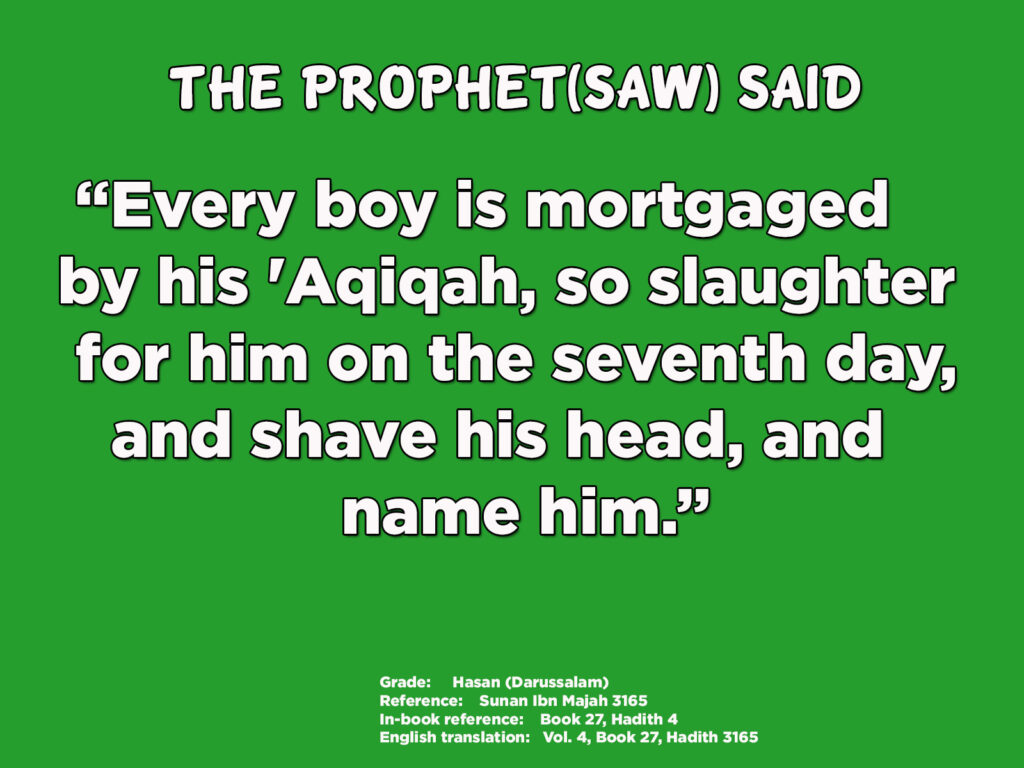
“A boy is in pledge for his Aqiqah: sacrifice is made for him on the seventh day, his head is shaved, and he is given a name” (Sunan Abu Dawud 2837).
This hadith outlines the actions prescribed for a newborn’s Aqiqah. In principle, it should be performed on the seventh day after birth, but if that isn’t possible, it can be done later without any time constraint. The recommended sacrifice is two sheep or goats for a boy, and one sheep or goat for a girl.
Significance of Aqiqah
Thankfulness to Allah
Aqiqah is an expression of gratitude to Allah for the gift of a child. In Islam, the birth of a child is considered a great blessing, and performing Aqiqah is one way of thanking Allah for His grace — a recognition that all things, including children, come from His mercy.
Protection for the Child
Many scholars hold that Aqiqah serves to protect the newborn, with the sacrifice understood as a means of seeking Allah’s blessing for the child’s welfare and protection throughout their life.
Fulfilling the Sunnah
Following the example of Prophet Muhammad (peace be upon him) is an important part of Islamic life. Performing Aqiqah is one way of fulfilling this Sunnah and following his teachings.
Strengthening Community Bonds
Aqiqah provides an opportunity for social bonding. The meat is distributed among family members, friends, neighbours, and the poor, promoting a sense of community and charity, and reflecting the Islamic principle of sharing one’s blessings with others.
Shaving the Child’s Head
Alongside the sacrifice, the Sunnah also involves shaving the newborn’s head, with the equivalent weight of the hair donated to charity in silver. This symbolizes purification and a new beginning in the child’s life, and reflects the importance of charity from the very start of a child’s life.
Why Perform Aqiqah?
Following the Example of the Prophet
Prophet Muhammad (peace be upon him) performed Aqiqah for his grandsons Hasan and Husain and encouraged his followers to do the same for their children. Following his guidance is a way of seeking Allah’s pleasure and blessings, continuing a tradition rooted in spiritual and moral values.
Gratitude for the Child
In Islam, the birth of a child is considered one of the greatest blessings. Aqiqah is a way of thanking Allah and seeking His protection for a newborn, while also serving as a reminder that children are a trust from Allah for which parents are responsible.
Charity and Sharing With the Less Fortunate
Distributing meat to the poor and needy is an important part of Aqiqah. Charity is a core Islamic value, and Aqiqah gives parents an opportunity to engage in charitable giving on behalf of their child — a gesture that benefits the community and instils the value of kindness from the very beginning of a child’s life.
Building Bonds With the Community
Aqiqah is also a social occasion where families celebrate the birth of a child together with relatives and friends, strengthening bonds within the community and reflecting Islamic values of unity and mutual support.
A Spiritual Beginning
Many scholars view performing Aqiqah as a way to give a child’s life a blessed and spiritual start.
How Aqiqah Is Performed
Timing
Aqiqah should ideally be performed on the seventh day after birth. If parents are unable to do so on the seventh day, it can be performed later — it can be done at any point in a child’s life, though it’s best completed as soon as possible.
The Animal Sacrifice
Two sheep or goats are recommended for a boy, while one sheep or goat is sufficient for a girl. The animal must be healthy and meet the same criteria used for Qurbani. The meat is then distributed among the poor, family, and friends.
Shaving the Head
After the sacrifice, the child’s head is shaved, and the equivalent weight of the hair in silver is given to charity — another Sunnah act that is part of the Aqiqah ceremony, believed to bring blessings to the newborn.
Naming the Child
The child’s name is usually announced as part of the Aqiqah. Islamic tradition places great importance on choosing a good name with a positive meaning.
Conclusion
Aqiqah is a meaningful tradition in Islam that serves several purposes — expressing gratitude to Allah, promoting a sense of community, seeking the child’s welfare, and following the Sunnah of Prophet Muhammad (peace be upon him). It enriches the spiritual life of both parents and newborn, bringing blessing and protection, and remains a beautiful practice for every Muslim family to observe.